Your skin has a renovation schedule, and unfortunately, it doesn’t work with the speed of a home makeover show. Microneedling takes minutes to perform, but the interesting changes happen afterward, when your skin begins its gradual repair process.
Understanding what happens between sessions helps you recognize normal healing, protect your results, and avoid expecting an overnight transformation.
What Is Microneedling?
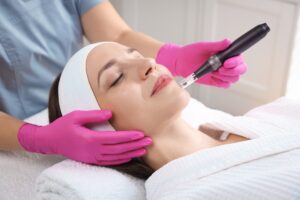
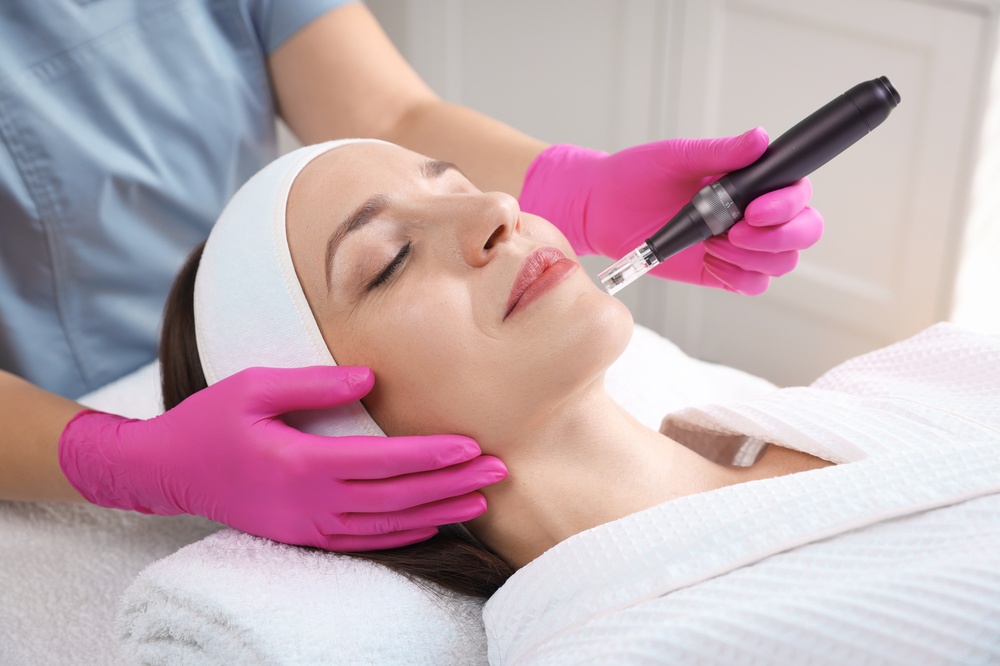
Microneedling is a minimally invasive procedure that uses tiny, sterile needles to create controlled micro-injuries in the skin. These trigger a wound-healing response that encourages collagen and elastin remodeling over time.
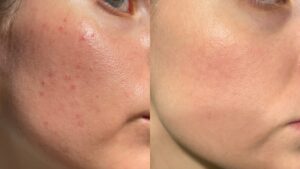
Providers commonly use microneedling to improve the appearance of acne scars, uneven texture, enlarged-looking pores, and fine lines. Results depend on the concern, treatment depth, skin type, and number of appointments.
What Happens After Your First Treatment?
Immediately afterward, your skin may look pink or red and feel warm, tight, or mildly tender, much like a sunburn. Minor swelling and pinpoint bleeding can occur.
During the first few days, the skin barrier recovers. Dryness, flaking, and temporary roughness are possible. Follow your provider’s cleansing and moisturizing instructions, and avoid picking at peeling skin.
Visible improvement is rarely dramatic after one visit. Collagen remodeling takes weeks, so patience matters.
What Changes Between Microneedling Sessions?
Over the following weeks, redness typically fades and your skin continues repairing itself. Some people notice a smoother surface or more even-looking texture before deeper concerns, such as acne scarring, begin to improve.
Most treatment plans space appointments roughly four to six weeks apart, although your clinician may recommend a different interval. This gives skin time to heal before another controlled treatment.
After the second and third sessions, improvements may become more apparent. Acne scars and deeper lines often require additional treatments, and no provider can guarantee complete removal.
How Should You Prepare for Your Next Appointment?
Good preparation starts well before you reach the treatment chair:
- Protect your skin from tanning and sunburn.
- Tell your provider about medications, cold sores, active acne, or recent cosmetic procedures.
- Ask when to pause retinoids, exfoliating acids, and other irritating products.
- Arrive with clean skin, following your clinic’s instructions.
- Postpone treatment if you have an active skin infection or significant irritation.
Do not stop prescribed medication without medical advice.
How Can You Maximize Your Results?
Between microneedling sessions, think gentle care rather than aggressive exfoliation. Use a mild cleanser, a simple moisturizer, and broad-spectrum sunscreen once your clinician says it is appropriate.
Avoid unnecessary heat, strenuous exercise, and makeup during the immediate recovery period as directed. Resist adding strong active ingredients until the skin barrier has recovered.
Consistent appointments, realistic expectations, and good sun protection can make a meaningful difference. At-home needling is not a substitute for professional treatment and can introduce infection or scarring risks.
Healthy habits matter, too. Adequate sleep, balanced nutrition, and avoiding smoking support normal skin repair. Photographing your progress under consistent lighting can help you recognize subtle improvements that might otherwise go unnoticed.
When Should You Contact Your Provider?
Increasing pain, spreading redness, pus, fever, or prolonged swelling deserves prompt medical assessment. Discuss any history of keloids, poor healing, or pigmentation changes before treatment.
Plan Your Skin Refresh at Estar MedSpa
Microneedling is a process, not a one-appointment magic trick. Our team at Estar MedSpa can help you discuss a personalized schedule, expected recovery, and practical aftercare tailored to your skin goals.
Ready to learn what your skin could achieve? Schedule an appointment online or call our office at 301-917-3870 to set up your consultation.